
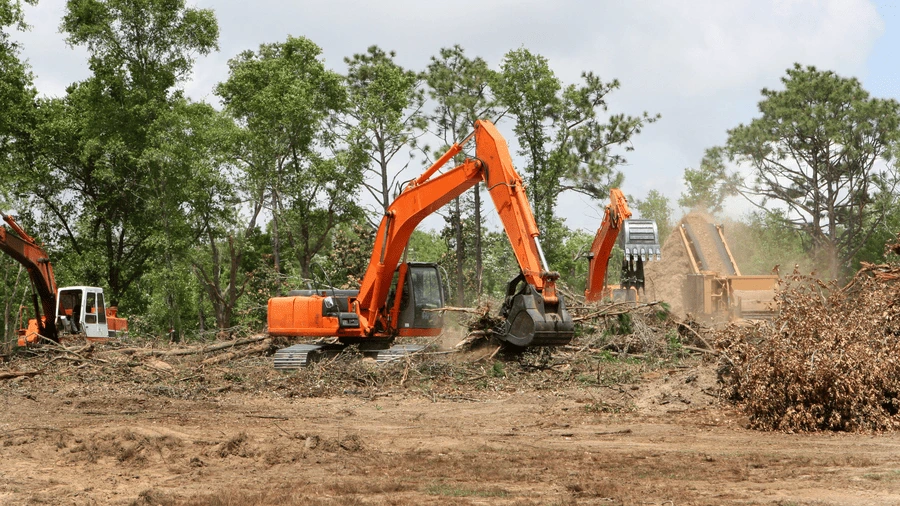
Clearing land in Florida often begins with a practical question that carries long-term consequences: how much does it really cost? For property owners and landscaping professionals alike, land clearing is the first visible commitment to a project’s future. It determines how a site will drain, how it can be used, and how much additional investment will be required later. Florida’s terrain, vegetation, and regulatory environment make land clearing a specialized process rather than a simple line item. Understanding what shapes the price brings clarity to a decision that is often underestimated.
The physical makeup of the land has the greatest influence on cost. Acreage is an obvious consideration, but it rarely tells the full story. Clearing a small lot can carry a higher per-acre cost than clearing a larger parcel because equipment transport, setup, and labor are largely fixed expenses. Larger properties can benefit from efficiency, but they often introduce new variables such as uneven ground, mixed vegetation, and sections that require different clearing techniques within the same job.
Vegetation density is one of the most reliable predictors of price. Light brush and grass can be cleared quickly, while dense growth slows progress and increases labor time. Florida’s climate encourages aggressive plant growth, and many properties contain thick palmetto stands, climbing vines, and invasive species that resist surface-level removal. Palmettos are particularly challenging due to their extensive root systems, which require thorough removal to prevent regrowth. Pine trees and mature hardwoods add another layer of complexity, as larger trees must be removed carefully to protect surrounding areas and maintain site stability.
Tree removal almost always leads to stump management, which can significantly affect cost. Cutting a tree is only the first step. Stumps remain embedded below grade and can interfere with construction, grading, and long-term landscaping plans. In Florida’s sandy soils, stump grinding is commonly used and often effective. Some projects, however, require full stump excavation to achieve a clean and stable base. Larger stumps demand more time and put additional strain on equipment, which is reflected in labor and operating costs.
Soil conditions further influence pricing. While Florida is often associated with loose sand, many properties contain compacted soil, clay layers, or areas that remain saturated after rainfall. Wet or unstable ground reduces productivity and may limit the equipment that can be used safely. In certain cases, work must be paused until conditions improve. These delays extend timelines and increase labor costs even when the scope of work does not change.
Accessibility also plays a critical role. Properties with clear access points for heavy machinery are less expensive to clear than those that require temporary access routes or careful maneuvering around existing structures. Sites near wetlands, water features, or neighboring buildings demand slower, more controlled work. In coastal and low-lying regions of Florida, these access challenges are common and should be considered early when estimating cost.
Florida’s environmental regulations are a defining factor in land clearing costs. The state enforces strong protections for wetlands, waterways, wildlife habitats, and certain tree species. Depending on the location and characteristics of a property, clearing may require environmental assessments, surveys, or permits from local authorities. These steps add upfront expense, but they are essential for lawful and responsible development.
Wetlands deserve special attention. Clearing land near regulated wetlands often comes with strict limits on what can be removed and how work is performed. Buffer zones, protected vegetation, and seasonal restrictions can extend timelines and increase labor requirements. Ignoring these rules can lead to fines, work stoppages, or mandatory restoration that far outweighs the cost of compliance.
Debris handling is also shaped by regulation. Once vegetation is removed, it must be disposed of or repurposed in approved ways. Open burning is restricted in many areas and usually requires permits, making it impractical for many projects. Hauling debris off-site involves transportation and disposal fees at approved facilities. On-site mulching can be efficient and environmentally responsible, but it may not suit projects that require a clean surface for construction or formal landscaping. Each option carries cost implications tied directly to local rules and logistics.
Local ordinances can further affect pricing. Some municipalities regulate tree removal, especially when large or protected trees are involved. These rules may require replacement plantings or limit removal methods, increasing both time and expense. Understanding local requirements before clearing begins helps avoid interruptions and unexpected costs once work is underway.
The intended use of the land after clearing strongly influences total cost. Clearing for general maintenance or open space is typically less demanding than clearing for construction or detailed landscaping. Projects that require precise grading, complete root removal, and soil preparation involve more labor and equipment time. In Florida, drainage must be addressed early. Proper water management during clearing can prevent erosion, standing water, and costly corrections later.
Labor and equipment decisions reflect the complexity of the work. Experienced operators who understand Florida’s terrain work more efficiently and avoid errors that lead to rework. While skilled crews may command higher rates, their expertise often reduces overall project time and delivers a better finished site. Equipment selection matters as well. Excavators, bulldozers, and forestry mulchers each serve specific purposes, and extended use increases operating costs.
Timing can also influence land clearing prices. Florida’s active construction and landscaping seasons increase demand for clearing services, which can affect availability and cost. Weather conditions are another factor. Heavy rainfall can limit access and slow progress, extending timelines and labor expenses. Planning ahead and allowing flexibility in scheduling helps manage these variables.
Land clearing in Florida can vary greatly depending on the condition of the property, local requirements, and what you ultimately want to accomplish. A thorough site evaluation helps bring clarity to the scope of work and realistic cost expectations before anything begins. Bay to Bay Landscaping in Oldsmar, FL, works closely with property owners to assess the land, explain the process, and outline a practical plan built on experience. Our team focuses on transparency so you can move forward with confidence. When you are ready to take the next step, schedule a free consultation with us today.


